Case History:

Enzymatic Felt Cleaner Improves Paper Machine Performance

Background

A paper mill operating a dual headbox medium machine was experiencing persistent issues with felt contamination.

Frequent deposition of pitch, stickies and stock additives reduced felt permeability.

Standard chemical cleaning cycles required long dwell times, leading to extended downtime.

Operators reported increased sheet breaks and reduced machine speed due to poor water removal efficiency.

Customer Trial Goals

To evaluate whether an enzyme-enhanced felt cleaner could:
  • Shorten the cleaning cycle time.
  • Improve felt conditioning and drainage.
  • Increase overall machine speed while reducing sheet breaks.
  • Extend felt life and replacement schedule

TriSolve Trial Recommendations

  • The mill trialed a new enzymatic felt cleaner formulated to target organic contaminants (extractives, stickies, starch, and fines).
  • Application was carried out during scheduled felt washes, using existing spray bars.
  • Enzyme product dosage was optimized to balance cleaning efficacy with cost.

Results

  • Cleaning cycle efficiency improved substantially compared to conventional alkaline cleaner.
  • Felt permeability improved significantly, restoring water removal capacity.
  • Post wash vacuums 0.6 in hg lower on average, more stable press operation
  • Machine speed increased by 105 fpm, sustained over several weeks.
  • Sheet breaks decreased by 30%, attributed to more stable sheet formation and reduced rewetting.
  • Operators noted less frequent need for downtime felt washes, improving production continuity.
  • One week of felt life extension achieved, with maintenance cycle timing now the limiting factor
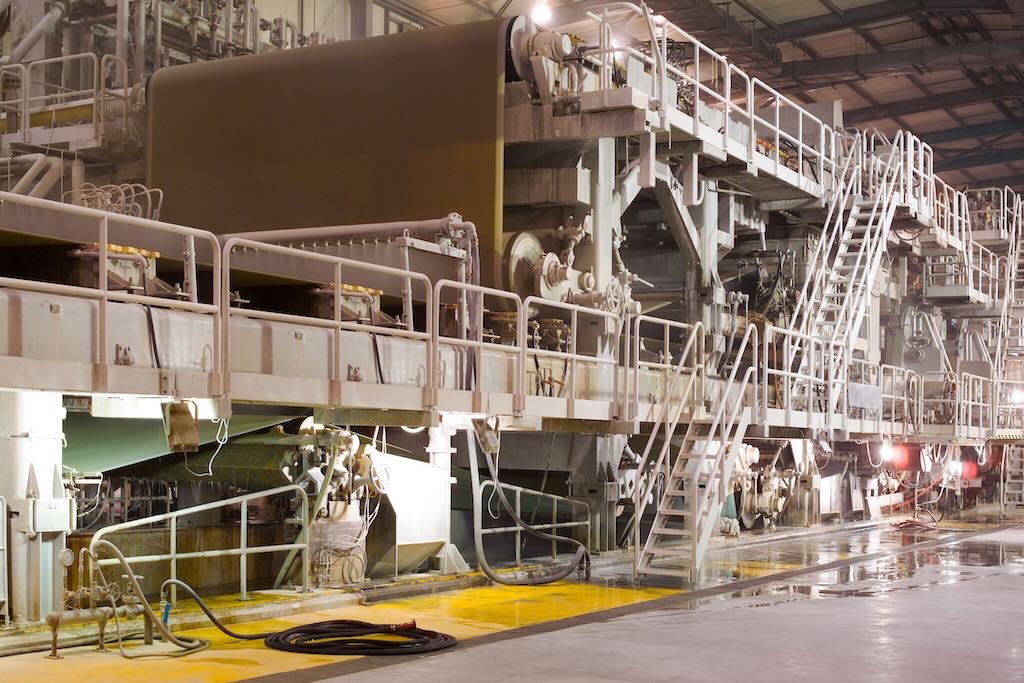
The machinery in a paper mill plant.

Discussion

The enzymatic cleaner worked by biodegrading additive and extractive deposits that conventional cleaners struggled to remove quickly.

Faster cleaning cycles meant less downtime.

Improved felt condition allowed higher vacuum efficiency and better sheet dryness.

The reduction in breaks translated directly into higher production output and reduced waste.

The machinery in a paper mill plant.

Conclusion

The trial demonstrated that enzyme-based felt cleaning technology can deliver measurable operational benefits:

  • Shorter cleaning cycles
  • Higher machine speed
  • Fewer sheet breaks
  • Improved felt life and reduced chemical consumption

This case highlights the potential of biotechnology in papermaking to enhance efficiency and sustainability.

Key Data Highlights

Pre-Trial

Post-Trial

Pre-Trial

Post-Trial

Max Cycle pH

11.6

11.3

Post Wash vacuum, inhg

15.2

14.5

Average Rinse time, min

>25

18

Wash vacuum drop, inhg

0.9

1.5

Total wash Dosage, gal

27

20

Down time events, per cycle

3

0

Felt Cycle

5 weeks

6 weeks+

Machine speed average, fpm

2980

3095

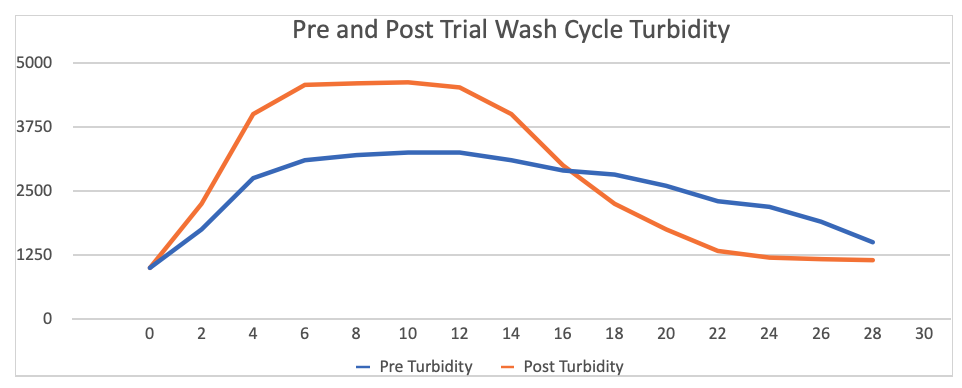
Turbidity Profile During was shows significantly faster and higher pickup felt weir box turbidity with enzyme based product and a much more thorough rinse
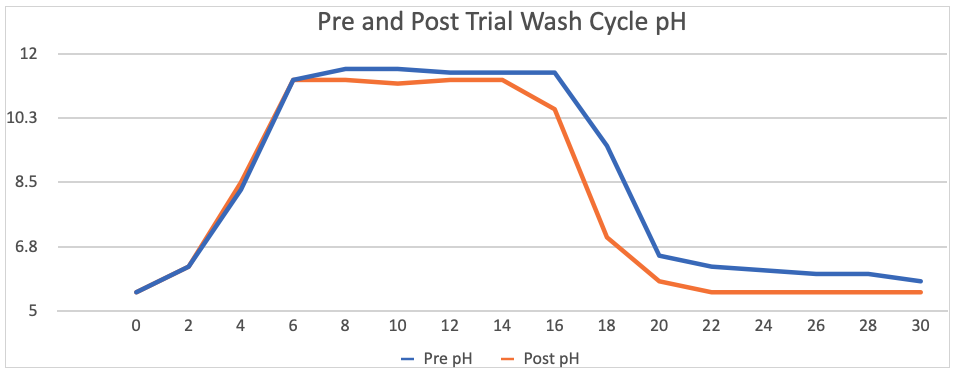
pH profiles at the same dosage – enzyme product application is 2 minutes shorter than traditional application (15% less product) on this pick-up position