
The choice affects cleaning speed, labor, detergent use, fuel or energy, equipment investment, maintenance, safety, and downtime. The U.S. pressure-washer market is forecast to reach $750.5 million by 2030, though that figure includes residential units.
This guide covers how each type cleans, where each fits, what to check before buying, and a real paper-mill example.
Key Takeaways
- Hot water combines heat, pressure, and detergent to break down grease, oil, and fats.
- Cold water relies on pressure, flow, and chemistry for dirt, mud, and debris.
- Heat can speed grease removal but adds heating equipment, safety needs, and maintenance.
- Choose by soil, surface, facility conditions, and total cost of ownership, not PSI alone.
Hot vs Cold Water Pressure Washers: Quick Comparison
Cleaning mechanism
Cleaning depends on four factors: time, temperature, chemistry, and mechanical action. Kärcher calls this the Sinner's Circle. Raise one factor and you can lower another.

- Hot water: heat softens and emulsifies grease and oil, pressure agitates, and detergent lifts the soil off the surface.
- Cold water: pressure, flow, nozzle choice, and detergent do the work, with no heating system involved.
Best-fit soils
| Soil or task | Better fit |
|---|---|
| Engine and equipment grease, hydraulic oil, diesel residue | Hot |
| Food fats, manufacturing lubricants, heavy buildup | Hot |
| Mud, dust, sand, loose debris | Cold |
| Road film, exterior surfaces, general rinsing | Cold |
Manufacturers such as Hotsy describe cold-water machines as suited to dirt, mud, and caked debris, and point to grease and oil as the cases for hot water. These are selection guidelines, not controlled trials.
Purchase and operating considerations
Hot-water units add a burner or heat source, fuel, and more maintenance. Hotsy's 795SS, for example, pairs a 5 HP, 230 V motor with a 289,900 BTU/hr oil-fired burner. Those specs mean a hot unit needs both electrical power and fuel. Cold units are simpler.
Industrial hot and cold units rarely publish consistent list prices, so get model-specific quotes. Purchase price alone can also mislead. Factor in labor time, detergent, water, energy, utilization, and avoided downtime.
Speed and chemicals
Kärcher claims hot-water machines can cut cleaning time by up to 40 percent. That is a manufacturer claim, not an independent benchmark. Treat it as a reason to test, not a guaranteed saving.
Cold water still works when the detergent, nozzle, pressure, flow, and dwell time match the soil.
Facility, safety, and maintenance
Hot-water equipment brings extra requirements:
- Ventilation and combustion exhaust control, since carbon monoxide is a real risk indoors
- Fuel storage and burner servicing
- Coil inspection for soot and scale
- Hot-surface protection and PPE such as face shields, gloves, and boots
Both types need attention to electrical supply, chemical compatibility, surface sensitivity, and wastewater. Local rules vary, so check sewer and stormwater requirements before washing. EPA pretreatment standards, for instance, bar discharges that raise treatment-plant influent above 104°F or cause oil interference.
What Are Hot and Cold Water Pressure Washers?
What Is a Hot-Water Pressure Washer?
A hot-water pressure washer heats water before or during high-pressure delivery. Heat, agitation, and detergent then attack bonded soils like grease. It is not the same as steam cleaning. Kärcher, for example, heats water up to 185°F and uses a separate reduced-pressure steam stage on some units.
Industrial benefits include shorter cycles, less scrubbing, better removal of fats and oils, and potentially lower detergent demand. Most quantified claims come from manufacturers, so verify them on your own soils.
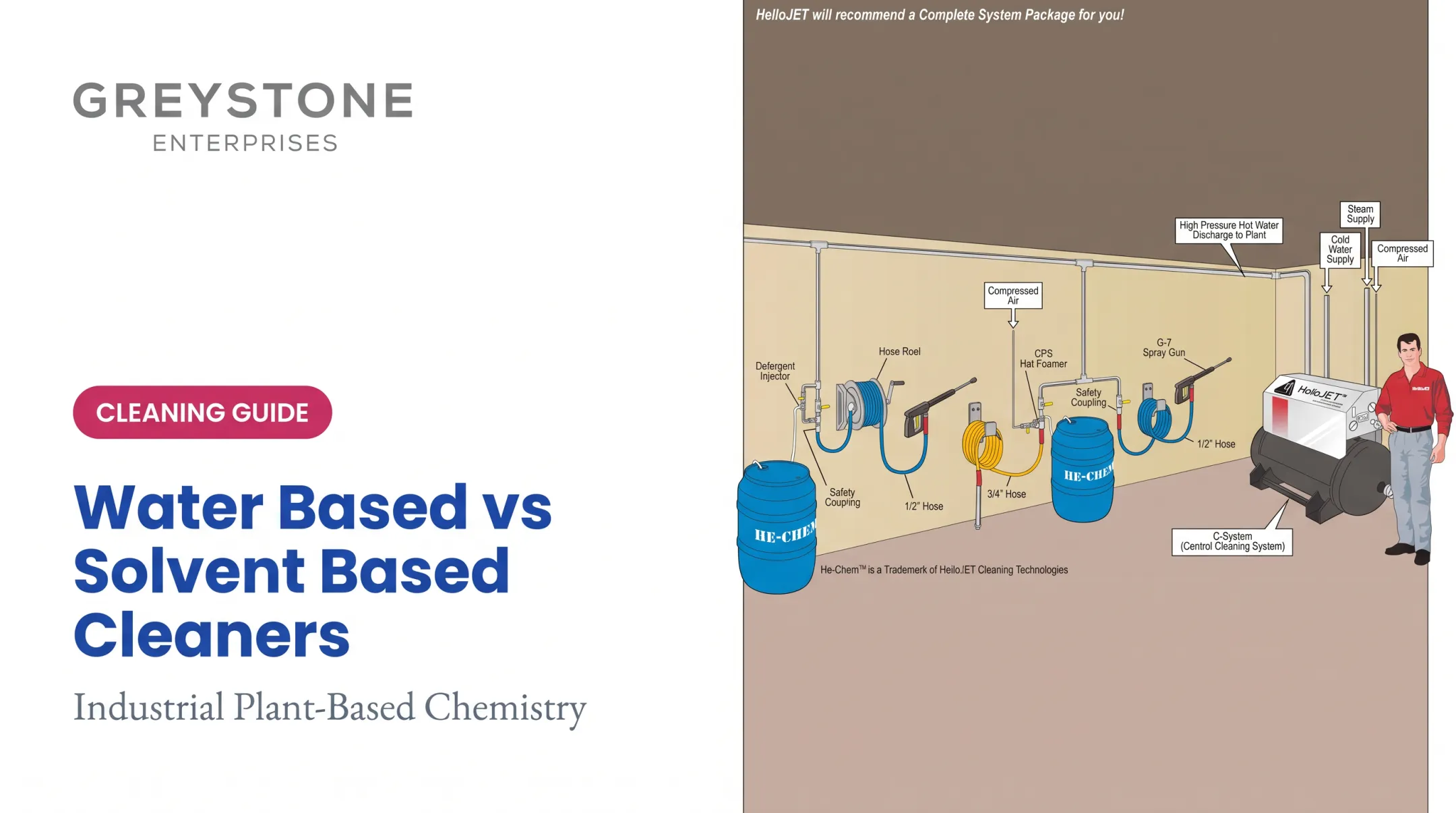
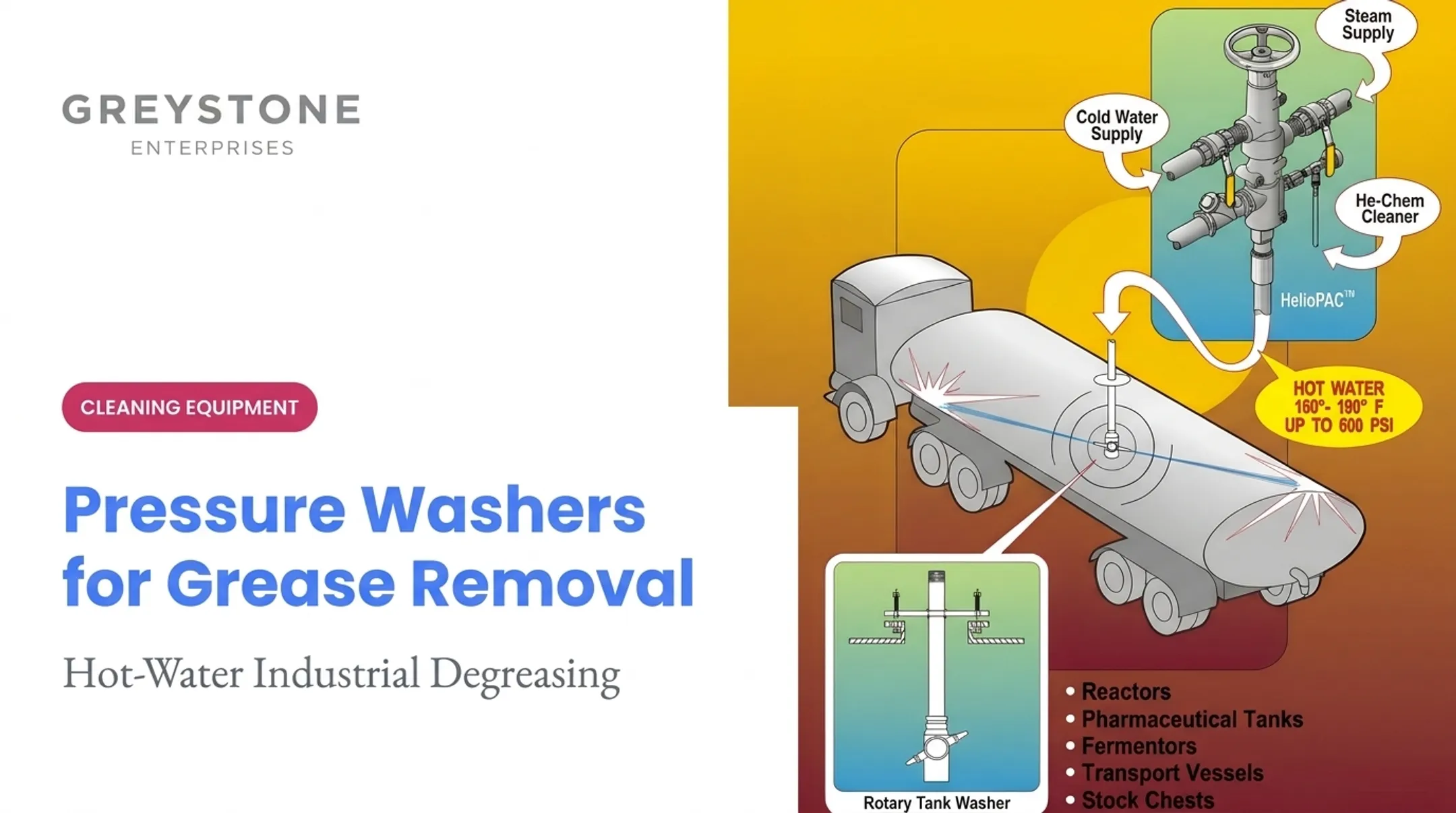
HelioJET takes a different route. Its HelioPAC mixes plant steam and cold water, producing pressurized hot water (300 psi at 185°F from 125 psi steam and 60 psi water) with no moving parts. It needs an existing steam supply.

Hot-Water Pressure Washer Use Cases
- Food and beverage: conveyors, tanks, and production floors with grease and residue
- Fleet and transportation: diesel smoke, road grime, winter salt, oily buildup
- Manufacturing: grease-coated machinery and floors
- Heavy equipment wash bays: caked-on soils on trucks and trailers
A washer is not a sanitation validation. Food regulations such as FDA 21 CFR 117 require sanitary conditions but do not prescribe a pressure washer or temperature.
One example: Knoxville's public bus system cleans its buses nightly with a Hotsy 795SS oil-fired hot-water unit on engines, transmissions, and undercarriages. It shows real-world fleet use, not measured cost savings.
What Is a Cold-Water Pressure Washer?
A cold-water unit sends unheated water through a high-pressure pump. Results depend on pressure, flow, nozzle, detergent, dwell time, and operator technique.
Strengths include portability, simpler maintenance, and lower complexity. It suits large-area rinsing and jobs where heat would not improve removal. Oily contamination may still need detergent and good technique.
Cold-Water Pressure Washer Use Cases
Cold water fits soils and surfaces such as:
- Mud, dust, sand, and loose debris
- Algae and road film on buildings and floors
- Vehicles, trailers, and farm or construction equipment
- Outdoor surfaces where heat adds little value
Hotsy lists gas-powered cold models for remote and construction maintenance.
Evidence on cold-water performance by soil type is mostly qualitative. When grease, fats, or petroleum residue dominate, hot water is the better call.
Hot vs Cold Water Pressure Washers: What Is Better?
Neither is universally better. The right choice depends on the soil, cleaning standard, frequency, facility conditions, and the cost of slow or incomplete cleaning.
Choose hot water when:
- You regularly remove grease, oil, petroleum residue, or food fats
- Heavy buildup causes repeated scrubbing, long dwell times, or production delays
Choose cold water when:
- The work is dirt, mud, dust, debris, or exterior washdown
- High-volume rinsing is the goal and heat adds complexity without benefit
Total cost of ownership
No independent study models pressure-washer TCO, so build your own from quotes and measured inputs. Include:
- Equipment price
- Fuel or electricity
- Detergent and water
- Labor
- Service intervals, including burner and coil maintenance
- Downtime and expected utilization
Facility checklist
- Surface materials and temperature tolerance
- Indoor ventilation
- Electrical capacity
- Water supply
- Fuel or steam availability
- Wastewater management
- Sanitation or compliance requirements
- Operator training and PPE
When a facility needs equipment and chemistry evaluated together, Greystone offers one approach. It pairs HelioJET high-pressure hot-water and steam technology with Tri-Solve plant-based chemistries.
Real-World Example: Hot Water in a Paper Mill
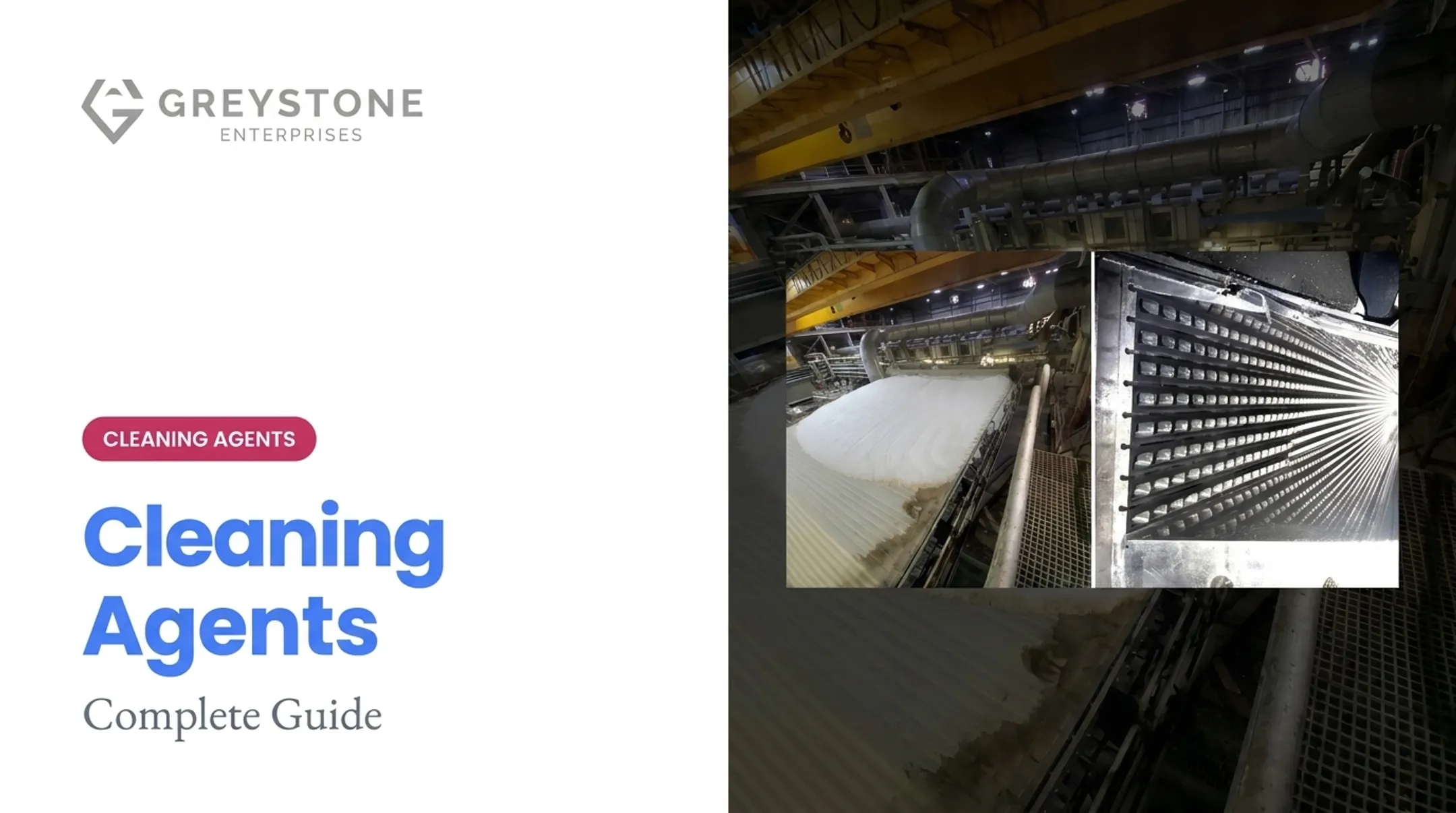
WestRock's PM#10 at its Longview, Washington, plant had excessive stickies and scabs on felt surfaces. Felts needed replacing before the six-week shutdown cycle, and the machine slowed at the end of felt life because the felts filled.
The mill paired Tri-Solve chemistry with HelioJET hot water at 180°F and 250 PSI. Heat mattered here: stickies are tacky residues that resist cold rinsing.

Reported results, per Greystone's case study:
- Better felt cleanliness and permeability, extending felt life
- Fewer sheet breaks and improved product quality
- Higher machine speed and less production downtime
- Energy savings from holding original vacuum levels and reducing dryer steam use
The case study shares outcomes without hard numbers, so treat them as directional.
Facilities with sticky, greasy, or bonded deposits that cause downtime are the strongest candidates for hot water. If that sounds like your plant, contact Greystone to evaluate cleaning options for your operation.
Conclusion
Choose hot water when heat directly improves removal of grease, oil, fats, or difficult industrial soils. Choose cold water when pressure and chemistry are enough for dirt, mud, debris, rinsing, and routine washdown.
Weigh cleaning performance, labor, downtime, safety, maintenance, utilities, wastewater, and sustainability goals. The right washer is the one that keeps your facility running reliably.
Frequently Asked Questions
Do hot water pressure washers work better?
Hot water generally works faster on grease, oil, fats, and heavy industrial soils. Cold water can be equally suitable for dirt, mud, debris, and routine rinsing.
Is 2000 PSI enough to clean a driveway?
It depends on the driveway material, soil, nozzle, flow rate, detergent, and technique. Concrete Network cites contractor guidance of at least 3,000 PSI and 4 GPM for concrete, so 2,000 PSI is not a universal answer.
What is the main difference between hot and cold water pressure washers?
Hot-water units add heated water to pressure and detergent. Cold-water units rely on pressure, flow, and chemistry without an integrated heater.
When should you use a hot water pressure washer?
Use it for grease, oil, petroleum residue, food fats, heavy equipment, manufacturing machinery, fleet maintenance, and other soils that respond to heat.
Can you use hot water in a cold water pressure washer?
Only within the manufacturer's inlet-temperature limit. Excess heat can damage seals and pumps, and ratings vary by model, so check the exact washer and pump manuals.
Are hot water pressure washers worth the extra cost for industrial cleaning?
They can be when faster grease removal, lower labor, less downtime, or reduced chemical use offsets heating and maintenance costs. Evaluate total cost of ownership with real quotes and measured inputs.