
Introduction
Inconsistent cleaning costs plants more than most teams realize. Soil builds up, allergens move between lines, crews misuse chemicals, and production restarts late because nobody can prove the area is clean.
The stakes are real. An FDA-authored study of recalls from fiscal 2013 to 2019 classified 301 of 1,415 major-allergen recalls as cross-contact. Cleaning is only one driver in that category, and plants still absorb the cost when it fails.
Open Plant Cleaning (OPC) is the controlled cleaning and sanitation of exposed production equipment, work surfaces, and surrounding areas. This guide covers scope, cleaning stages, system types, safety, sustainability, and implementation.
Key Takeaways
- OPC covers exposed equipment and surfaces; CIP covers enclosed process circuits.
- Results depend on time, temperature, action, chemistry, coverage, rinsing, and verification.
- Central, decentralized, mobile, manual, and automated systems suit different layouts.
- A facility-specific program supports consistency, safety, and regulatory readiness.
What Open Plant Cleaning Means
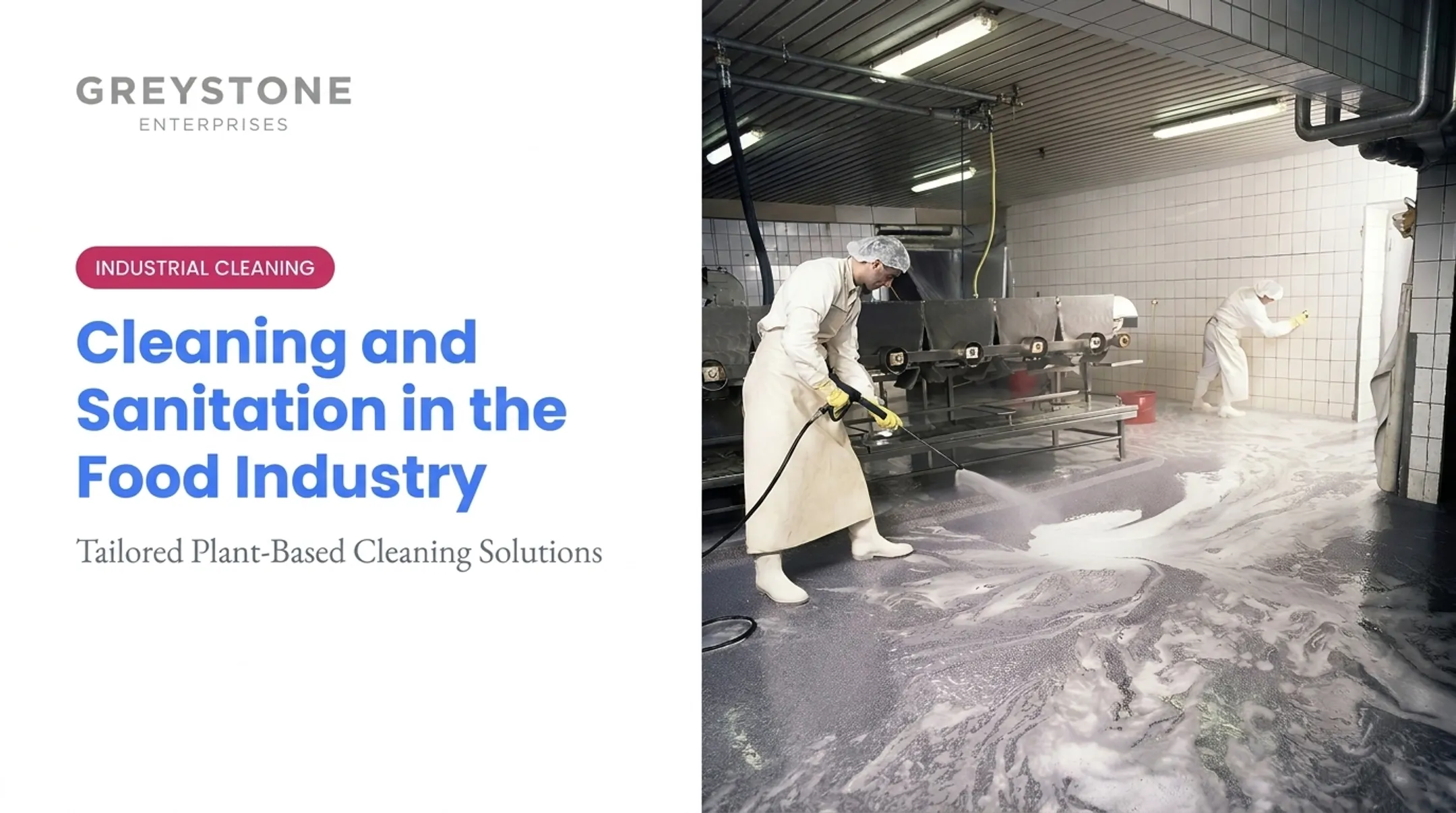
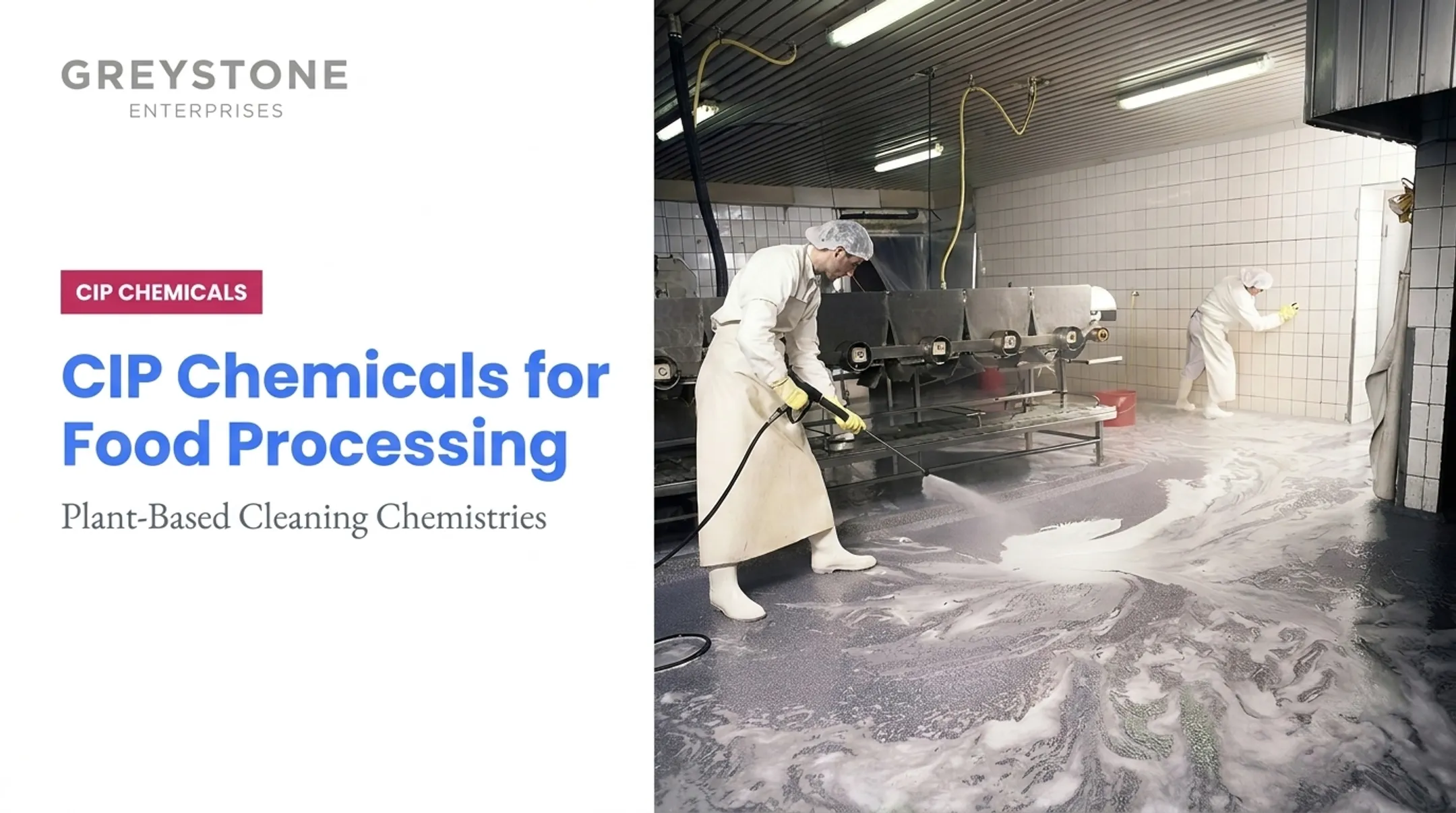
Open plant cleaning (OPC) applies to accessible surfaces: processing equipment, conveyors, tables, utensils, walls, ceilings, floors, and overheads. The exact scope comes from your hygiene plan and process risks.
Timing varies too. Plants typically run OPC after a shift, between batches, during changeovers, or in scheduled deep cleans. Not every area needs the same frequency.
Cleaning, Sanitizing, and Disinfecting
These terms are not interchangeable. According to the EPA:
- Cleaning removes dirt and organic matter with soap or detergent.
- Sanitizing kills bacteria on surfaces but is not intended to kill viruses.
- Disinfecting kills viruses and bacteria, and requires more rigorous effectiveness testing.
The product label and your validated procedure govern how each is applied.
OPC Versus CIP
CIP cleans the internal surfaces of tanks, pipes, vessels, and enclosed circuits without disassembly. OPC handles what crews can reach and see. Treating one as the other leaves gaps.
How Open Plant Cleaning Works
A commonly cited sequence runs: remove heavy soil, rinse, wash, rinse, sanitize, dry, inspect. Treat it as a starting framework, not a validated procedure for every plant. Adapt it through hazard analysis and site-specific validation.

Preparation and Isolation
Start with production shutdown or area release. Remove or protect ingredients and packaging, isolate equipment where required, stage tools, and confirm the approved sequence.
Soil Removal and Pre-Rinsing
Remove gross soil physically, then rinse. Sugars are water-soluble, so a pre-rinse removes much of them.
Pressure, temperature, and spray direction matter. USDA FSIS notes that high-pressure hoses and fine aerosols near exposed ready-to-eat product can spread bacteria. No universal safe pressure exists, so manage runoff and aim sprays deliberately.
Chemical Application and Mechanical Action
Chemistry, brushes, foam, pressure, hot water, and contact time work together. Industry practice often frames this as TACT WINS: Time, Action, Concentration, Temperature, Water, Individual, Nature, Surface.
Soil type guides chemistry:
- Fats and oils often need alkaline detergents with emulsifying ingredients
- Proteins rank among the hardest food soils to remove
- Mineral deposits are generally acid-soluble, but chemistry must suit the surface
Rinsing, Sanitation, and Disinfection
Rinse away loosened soil and chemical residue before applying the approved sanitizer. Concentration, contact time, temperature, and surface compatibility come from the product label and your written procedure. Do not borrow numbers from another plant.
Verification, Drying, and Release
Verify before restart:
- Visual inspection
- ATP testing, which indicates organic residue but does not identify pathogens
- Microbiological swabs where the hazard warrants
- Sanitizer concentration checks
- Reassembly, drainage, and drying
- Documentation and supervisor release
ATP alone cannot verify allergen removal. FDA guidance points to allergen-specific methods such as ELISA or lateral-flow devices. For low-moisture foods, FDA rules require clean, dry, sanitary food-contact surfaces, so drying is not optional.
Choosing the Right OPC System
Automation level, distribution layout, and proven cleaning effectiveness are separate questions. Answer each one.
Manual OPC
Brushes, squeegees, scrapers, hoses, and spray guns fit smaller areas, irregular equipment, and detail work where automation is impractical.
Semi-Automatic OPC
These systems handle chemical dosing, foaming, pressure, or rinsing while operators still control coverage, agitation, and inspection. For example, a HelioJET 1000 Hot Foamer siphons chemical solution automatically and produces hot foam up to 170°F.
Automatic OPC
Programmed systems can deliver repeatable coverage in large, standardized operations. A PMMI workshop report flags inaccessible spaces, water ingress, legacy-equipment compatibility, and training gaps as obstacles. People still monitor the work.
Central, Decentralized, and Mobile Configurations
| Configuration | Fits when | Watch for |
|---|---|---|
| Central | Many cleaning points, simultaneous crews | Installation complexity, utility capacity |
| Decentralized | Separate production zones | Maintenance across stations |
| Mobile | Intermittent or varied locations | Needs water and power at each stop |
A supplier-authored 2018 example describes central water distribution to satellite stations with local chemical mixers, plus a cart-mounted mobile unit. It illustrates configurations, not sizing rules.
Matching Technology and Chemistry to the Facility
Drive selection with these facility factors:
- Soil type and surface material
- Equipment design and drainage
- Water quality and utility capacity
- Labor model and sanitation window
- Environmental goals
They determine pressure, temperature, foam, steam, detergent, and sanitizer choices.
Greystone can pair HelioJET high-pressure hot-water and steam technology with Tri-Solve plant-based chemistries to build a facility-specific approach. Results depend on the plant's soils, surfaces, and utilities.
Why OPC Matters
Consistent, verified cleaning of exposed surfaces reduces opportunities for microbial contamination, allergen carryover, and residue buildup.
Those risks are not theoretical. FSIS's review of the Boar's Head outbreak cited inadequate sanitation as a contributing factor, including prior-day residue on equipment. CDC counted 61 cases and 10 deaths.

Operational Gains
A well-designed program can deliver:
- More predictable cleaning windows
- Less rework
- Better equipment access
- Safer work practices
- Fewer disruptions between runs
Sustainability
Lower-flow, lower-pressure washdown, good maintenance, cleanable surfaces, and proper drainage all reduce water use, according to Oklahoma State research.
Controlled dosing, leak prevention, and metering consumption help cut chemical and energy waste. No single savings percentage transfers across facilities, so measure your own baseline.
Regulatory Context
Requirements depend on your industry:
- FDA Part 117: written hazard analysis and sanitation controls for food
- USDA 9 CFR 416: written SSOPs, daily monitoring, corrective actions, and records
- FDA Parts 210/211: cleaning procedures and validation for pharmaceutical equipment
- EPA: sanitizer and disinfectant labels are legally enforceable
- OSHA: lockout/tagout, hazard communication, and PPE
Part 117 exempts sanitation and allergen controls from its validation requirement, but effectiveness verification still applies. No equipment or chemistry guarantees compliance. Validate claims at your facility.
How to Implement and Improve an OPC Program
Assess the Facility Before Selecting Equipment
Document:
- Production zones, soils, surfaces, and equipment geometry
- Drainage, utilities, and cleaning windows
- Labor availability
- Current water and chemical use
- Recurring failures
- Hard-to-reach or unsafe areas
Build Standardized Procedures and Controls
Write SSOPs that cover:
- Chemical handling and lockout or isolation
- Zone-specific tools, hose and nozzle selection, and sequence
- Concentration checks, contact time, rinsing, and sanitation
- Inspection and corrective actions
FSIS requires signed, dated procedures and records kept at least 6 months.
Train Operators and Maintain the System
Hands-on training should cover:
- Chemical safety, PPE, and emergency response
- Pressure and heat hazards
- Spray technique and cross-contamination controls
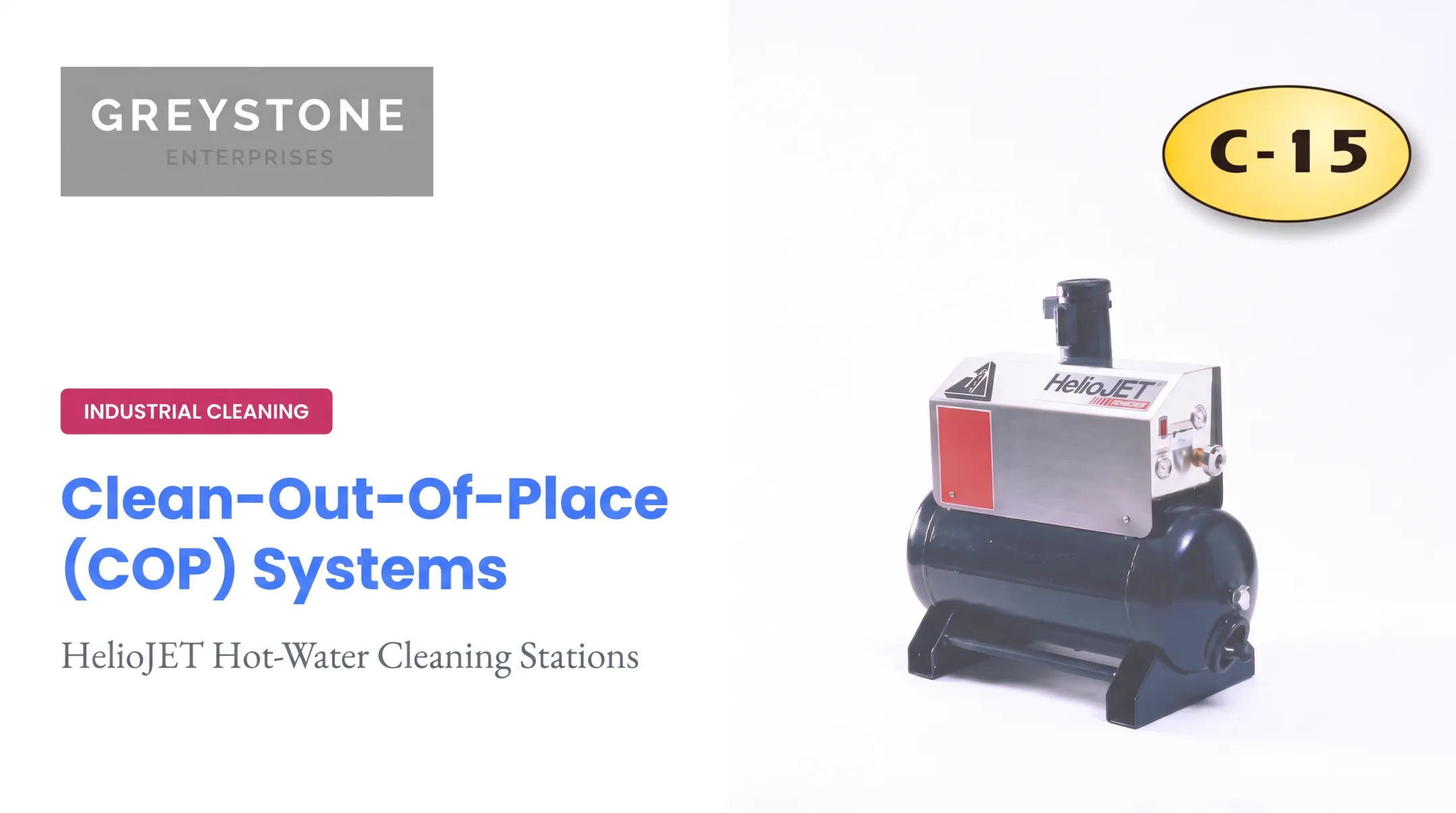
Hot-water systems add real hazards. HelioPAC instructions warn that high-pressure fluid can penetrate skin and hot fluid can cause severe burns. Crews should also report damaged hoses and recurring failures.
Measure, Verify, and Refine Performance
Track indicators your plant selects:
- Cleaning time
- Water and chemical consumption
- Repeat-cleaning frequency
- Inspection and test results
- Downtime and incidents
- Corrective actions
Use trends to adjust procedures. Set your own targets rather than copying outside figures.
Those same trends also inform equipment choices. When an assessment confirms a centralized design fits, a plant-wide HelioJET central cleaning system with multiple drops lets crews wash equipment on demand across several areas, instead of running multiple portable units. Greystone can help evaluate that option and shape a customized cleaning strategy for your facility.

Frequently Asked Questions
What is open plant cleaning?
OPC is the cleaning and, where required, sanitizing or disinfecting of exposed production equipment, surfaces, and facility areas. Exact scope depends on the plant's process and hygiene plan.
What is CIP in food processing?
CIP cleans the internal surfaces of enclosed equipment and piping without dismantling them. OPC covers exposed surfaces that crews can reach.
What are the 5 stages of cleaning and disinfection?
A common sequence is preparation, soil removal or pre-rinse, detergent cleaning, rinsing, and sanitizing or disinfecting. Terminology and required steps vary by industry and validated procedure.
What equipment is used for open plant cleaning?
Plants use brushes and scrapers, hoses and spray guns, foam and dosing equipment, hot-water or steam systems, mobile and central units, and verification tools such as ATP meters.
How do you choose between a central, decentralized, and mobile cleaning system?
Base it on plant layout, cleaning-point locations, simultaneous demand, utilities, installation needs, labor, maintenance, and the soils and surfaces involved. A facility assessment settles it.